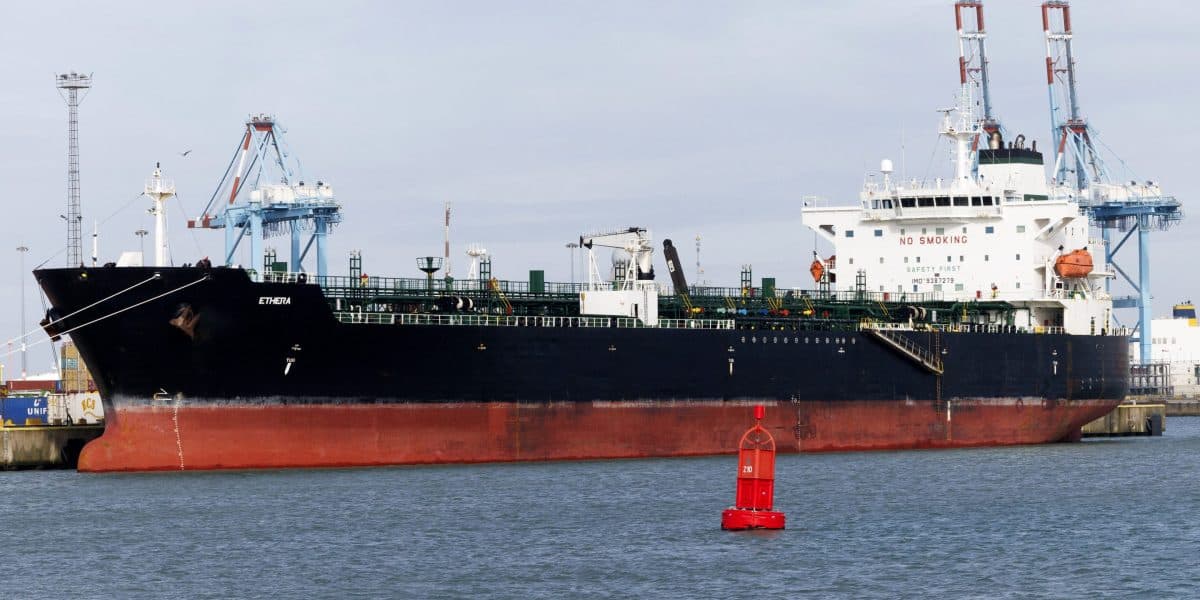
Finance leaders from the world's seven largest economies are convening in Paris this week to tackle a pressing concern: how geopolitical tensions with Iran could disrupt global energy markets. According to reporting on the summit, rising oil prices tied to sanctions enforcement are top of mind for policymakers seeking to contain broader economic consequences.
For Dalton's business community—particularly the region's significant manufacturing and logistics sectors—energy cost volatility poses real operational challenges. Companies reliant on transportation, heating, and production machinery face margin pressures when crude prices spike unexpectedly, making fuel surcharges and utility bills harder to forecast and manage.
The G7 discussions underscore a delicate balancing act: policymakers must weigh foreign policy objectives against domestic economic impacts. According to the summit agenda, negotiators are considering how to maintain sanctions effectiveness while mitigating inflationary pressure on energy costs that ultimately trickle down to businesses of all sizes.
Local business leaders should monitor developments from the Paris meetings closely. Energy price trends directly affect supply chain costs and competitiveness for Dalton's export-oriented industries. Understanding how global policy decisions translate to regional operational expenses will be critical for budgeting and strategic planning in coming months.