Photo via Fortune
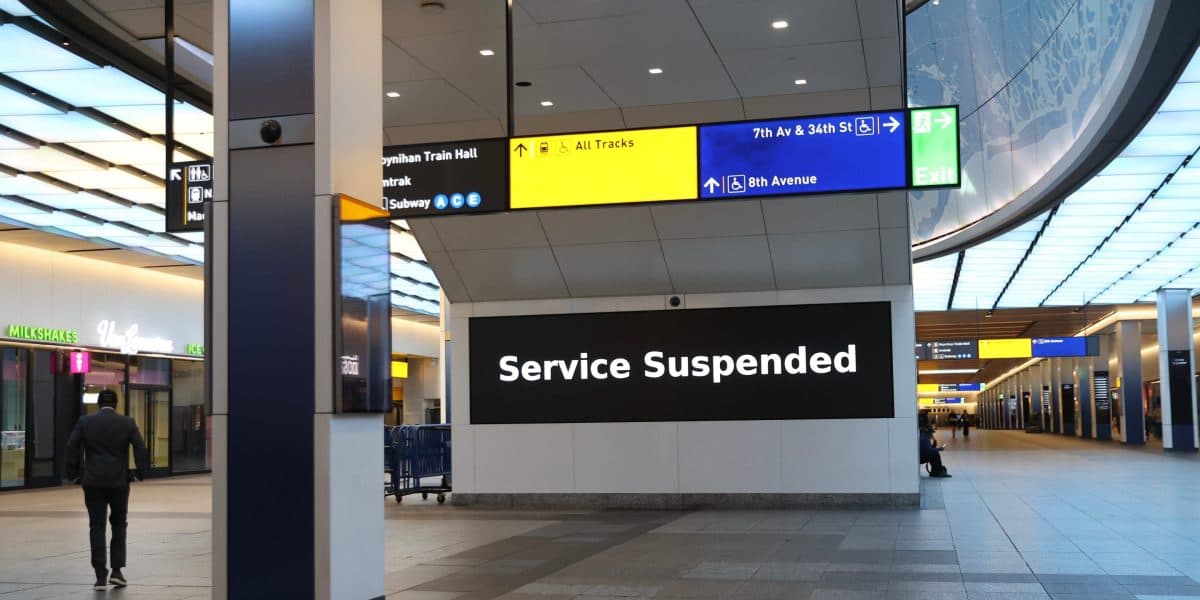
When half the workforce of the Long Island Rail Road walked off the job following failed contract negotiations, it sent ripples far beyond New York's commuter belt. According to Fortune, five unions representing approximately 50% of LIRR employees initiated the strike after months of stalled discussions, underscoring the tension between labor demands and operational continuity in the nation's transportation infrastructure.
For Dalton-area businesses—particularly those in carpet manufacturing, logistics, and distribution—such disruptions serve as a cautionary tale. Regional companies that depend on reliable rail and trucking networks for raw material delivery and product shipment face indirect consequences when major transportation systems grind to a halt. Even strikes on the East Coast can create bottlenecks that ripple through national supply chains within days.
The strike's duration and scope demonstrate how quickly labor disputes can escalate into broader economic challenges. According to the source, negotiations even involved federal intervention, yet unions and management remained at an impasse. Dalton businesses should consider how their own supply chain resilience plans account for potential transportation disruptions and alternative routing options.
As labor negotiations continue in various transportation sectors nationwide, local business leaders should monitor these developments closely. Understanding how major infrastructure strikes affect inventory timing, shipping costs, and delivery schedules can help Dalton companies build more adaptive logistics strategies and maintain competitive advantage despite external pressures.