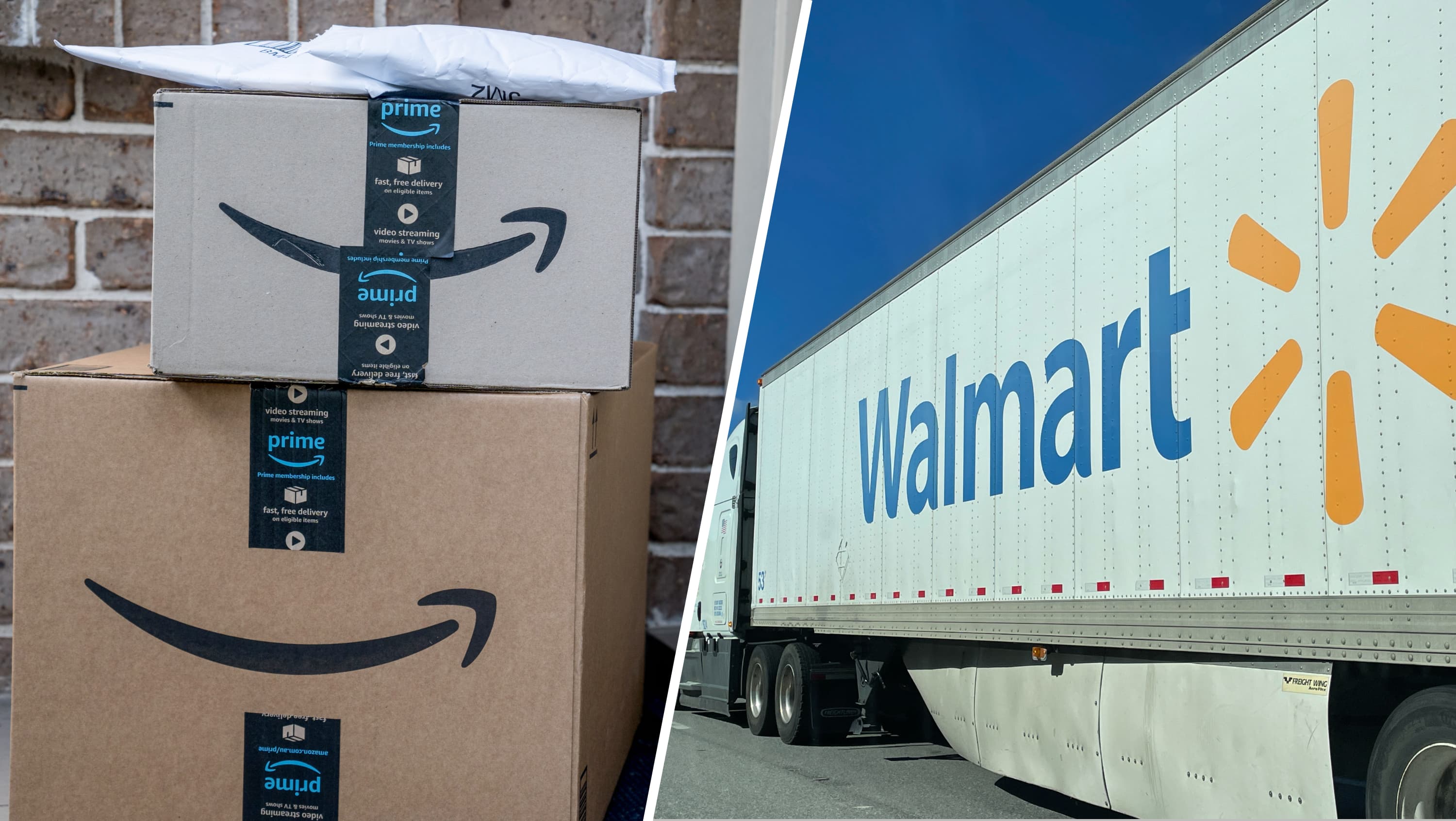
Photo via Nbc 4 New York
The race between retail giants to capture rural America's consumer market has entered a critical phase. According to NBC 4 New York, both Walmart and Amazon are investing significantly in faster delivery capabilities to serve remote communities that were previously underserved by major retailers. This shift reflects a fundamental change in where Americans are choosing to live and work.
For Dalton-area businesses, this retail expansion into rural markets carries important implications. As the region continues to attract remote workers and small business entrepreneurs seeking alternatives to urban centers, local retailers and service providers may face increased competition from national chains expanding delivery networks. Understanding these competitive dynamics can help Dalton's business community identify opportunities to differentiate and serve customers in ways that larger, logistics-focused competitors cannot.
The driving force behind this retail pivot is demographic. As more professionals transition to remote work arrangements, migration patterns have shifted toward smaller towns and rural areas where cost of living is lower and quality of life appeals are stronger. This population movement is expanding the addressable market for retailers who can efficiently deliver goods to previously unprofitable locations.
For Dalton business leaders, the lesson is clear: rural markets are increasingly valuable, and consumer expectations for speed and convenience are rising everywhere. Whether through local partnerships, enhanced e-commerce capabilities, or specialized services, businesses that adapt to these changing rural consumer demands will be better positioned to compete and thrive in the evolving retail landscape.