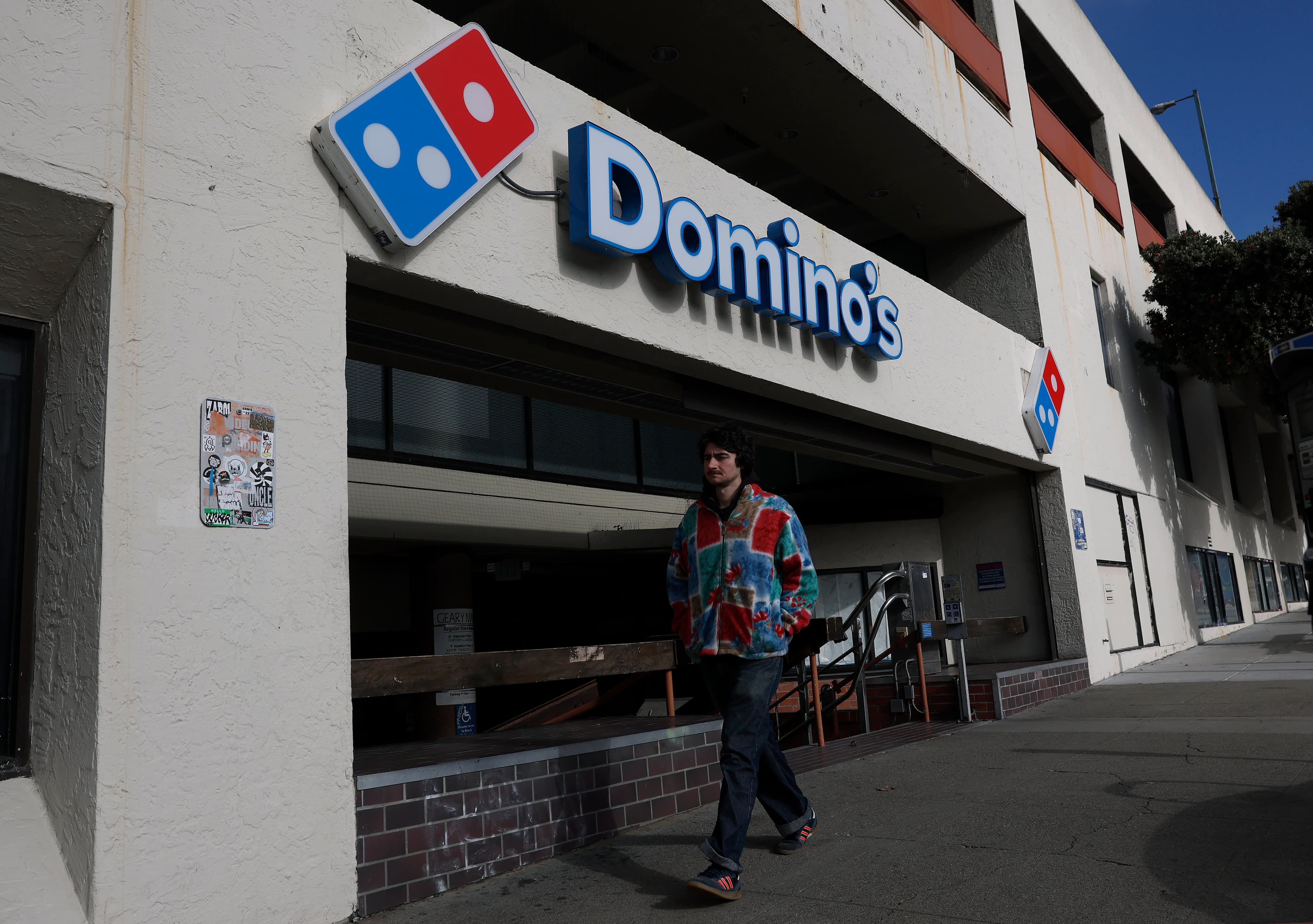
Photo via CNBC Business
The restaurant industry is facing headwinds from elevated fuel prices, which are dampening both customer visits and profit margins across the sector. According to data from Black Box Intelligence, overall restaurant traffic fell 2.3% in March when compared to the same month last year, signaling a notable contraction in consumer demand for dining out.
For Dalton-area restaurant operators, these national trends carry local significance. Higher gas prices translate directly into increased transportation costs for food delivery, supply chain logistics, and customer commuting patterns. Independent and regional restaurant chains serving the northwest Georgia market must navigate tighter margins while managing menu pricing carefully to avoid pricing out cost-conscious diners.
The impact, however, is not uniform across the industry. Certain restaurant segments and business models are proving more resilient than others during periods of economic pressure. Full-service establishments and premium dining concepts appear to be weathering the storm better than quick-service competitors, though local operators should monitor which segments retain the strongest customer loyalty in the Dalton market.
Restaurant owners in the region should consider this period an opportunity to evaluate operational efficiency, supply chain optimization, and value-focused menu offerings. Those able to maintain customer traffic while managing cost pressures will be better positioned as market conditions evolve.