Photo via Georgia Recorder
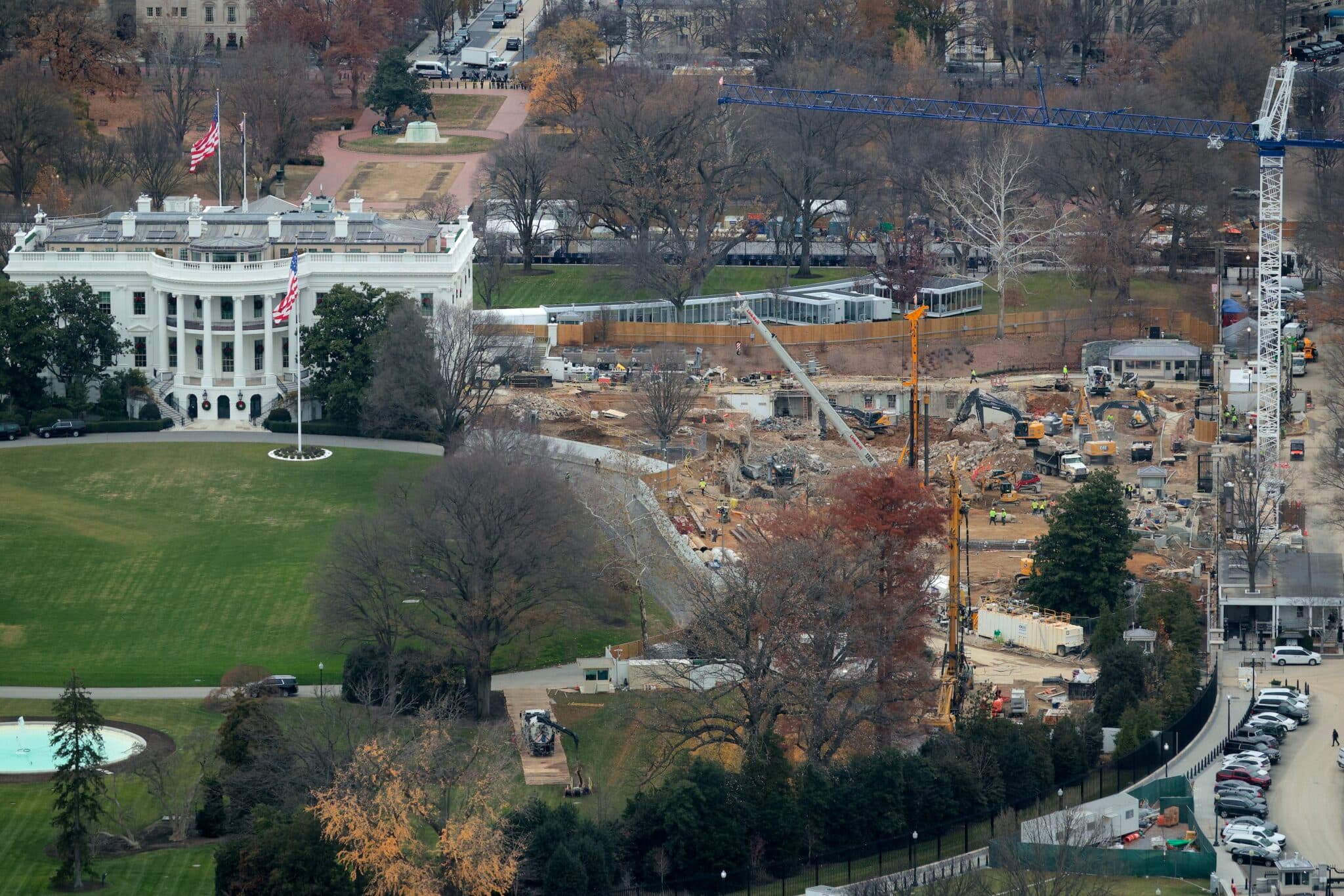
Following a shooting incident near the White House, the Trump administration is making an expanded case for enhanced security measures at the executive residence. According to the Georgia Recorder, Acting Attorney General Todd Blanche filed court documents arguing that a recently occurred shooting demonstrates the necessity for upgraded ballroom facilities in the East Wing with advanced protective specifications.
The proposed construction would incorporate specialized defensive features including reinforced steel infrastructure, impact-resistant columns designed to withstand drone strikes, and specialized glass rated for ballistic and blast protection. These specifications reflect escalating security concerns facing government and commercial facilities across the nation as threat assessments evolve.
The federal push for advanced security infrastructure mirrors growing conversations among Dalton-area business leaders about facility hardening and risk mitigation. As companies in logistics, manufacturing, and distribution evaluate their own security postures, the standards being applied to high-profile government projects often influence private sector security investments and insurance requirements.
The ongoing debate over federal facility upgrades underscores broader questions about the costs of security enhancements and their necessity. Local real estate professionals and business owners should monitor how federal security standards influence building codes and commercial property development in the coming years, as federal precedents often cascade into state and local regulations affecting construction practices and operational expenses.