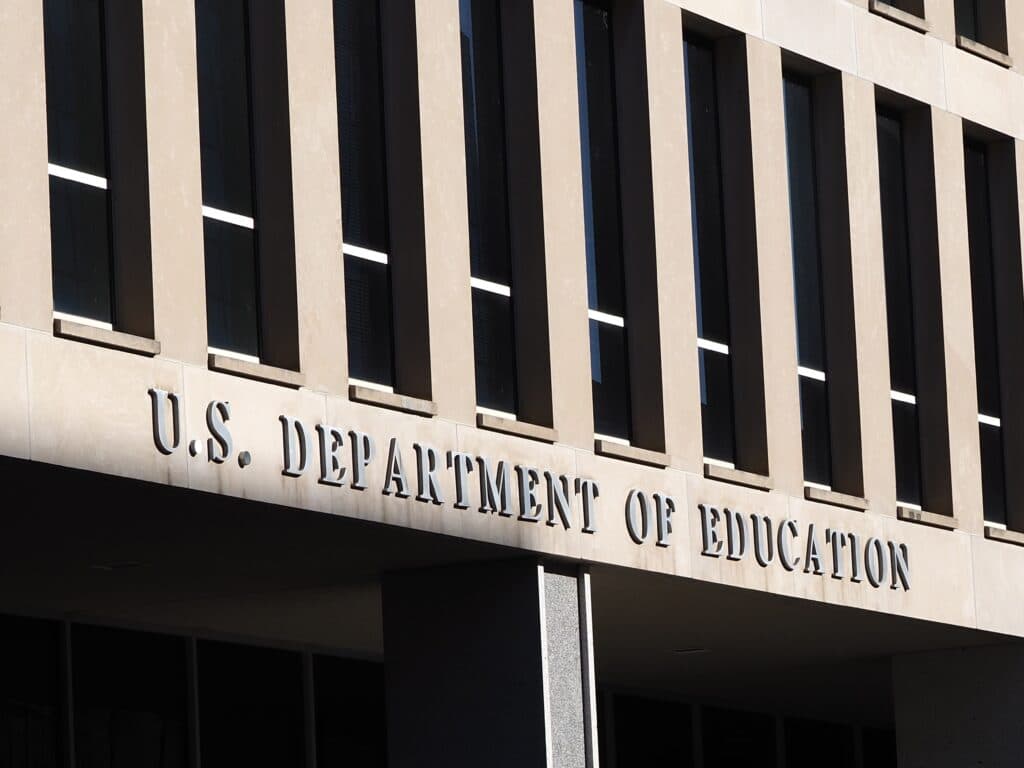
Photo via Georgia Recorder
U.S. senators from both parties voiced strong opposition this week to President Trump's proposed elimination of federal education programs aimed at disadvantaged students, according to reporting from the Georgia Recorder. The criticism emerged during a Senate spending panel meeting as Education Secretary Linda McMahon presented details of the administration's fiscal 2027 budget request.
The administration's education budget proposal allocates $75.7 billion in new discretionary funding for the Department of Education, but would redirect resources away from several established programs. For school districts across Georgia, including those in Northwest Georgia's manufacturing and growing communities, federal education dollars have historically supported vocational training, special education services, and student assistance programs.
The bipartisan pushback signals potential congressional obstacles to the administration's education restructuring plans. Senators expressed concern that eliminating aid programs would disproportionately harm students from lower-income backgrounds and underserved communities, areas where many Dalton-area schools rely on federal supplemental funding.
As the budget proposal moves through the legislative process, local educators and business leaders should monitor how potential changes to federal education funding might affect workforce development and school operations in the region. The outcome could influence the pipeline of skilled workers available to area employers in manufacturing, logistics, and other key industries.