Photo via CNBC Business
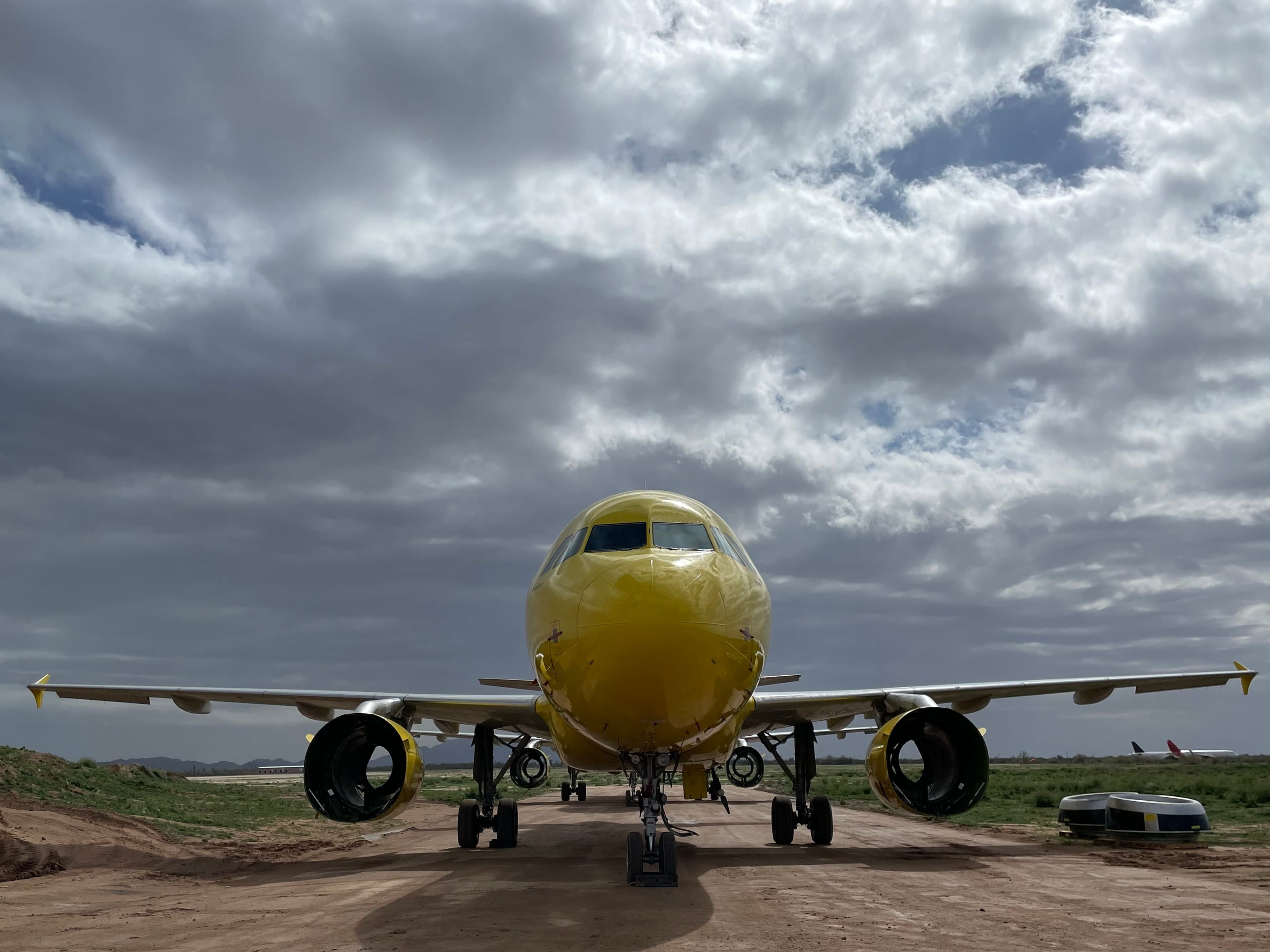
According to CNBC Business, Spirit Airlines has deployed specialized pilots to relocate its distinctive yellow aircraft fleet to desert storage facilities. This operational move represents a significant logistics undertaking for the ultra-low-cost carrier, highlighting the complex processes behind aircraft repositioning in the airline industry.
The use of ferry pilots—specialists trained specifically for moving aircraft between locations—underscores the technical expertise required for large-scale fleet management. These professionals handle long-distance flights with minimal cargo, focusing solely on safely transporting the planes to their designated locations. For regional businesses dependent on air cargo and passenger services, such operational adjustments can influence supply chain logistics and connectivity.
Desert storage facilities have become increasingly common in the aviation industry as airlines manage fleet capacity during market fluctuations. These facilities provide climate-controlled environments that preserve aircraft in inactive status, allowing carriers to scale operations up or down based on demand. The trend reflects broader economic pressures facing budget airlines navigating post-pandemic market adjustments.
For Dalton-area businesses reliant on affordable air travel and regional connectivity, developments at major carriers like Spirit Airlines warrant attention. Changes in fleet deployment and route availability can directly impact transportation options for small to mid-sized companies managing logistics and employee travel. Industry observers recommend monitoring carrier announcements for potential service adjustments affecting the Southeast.