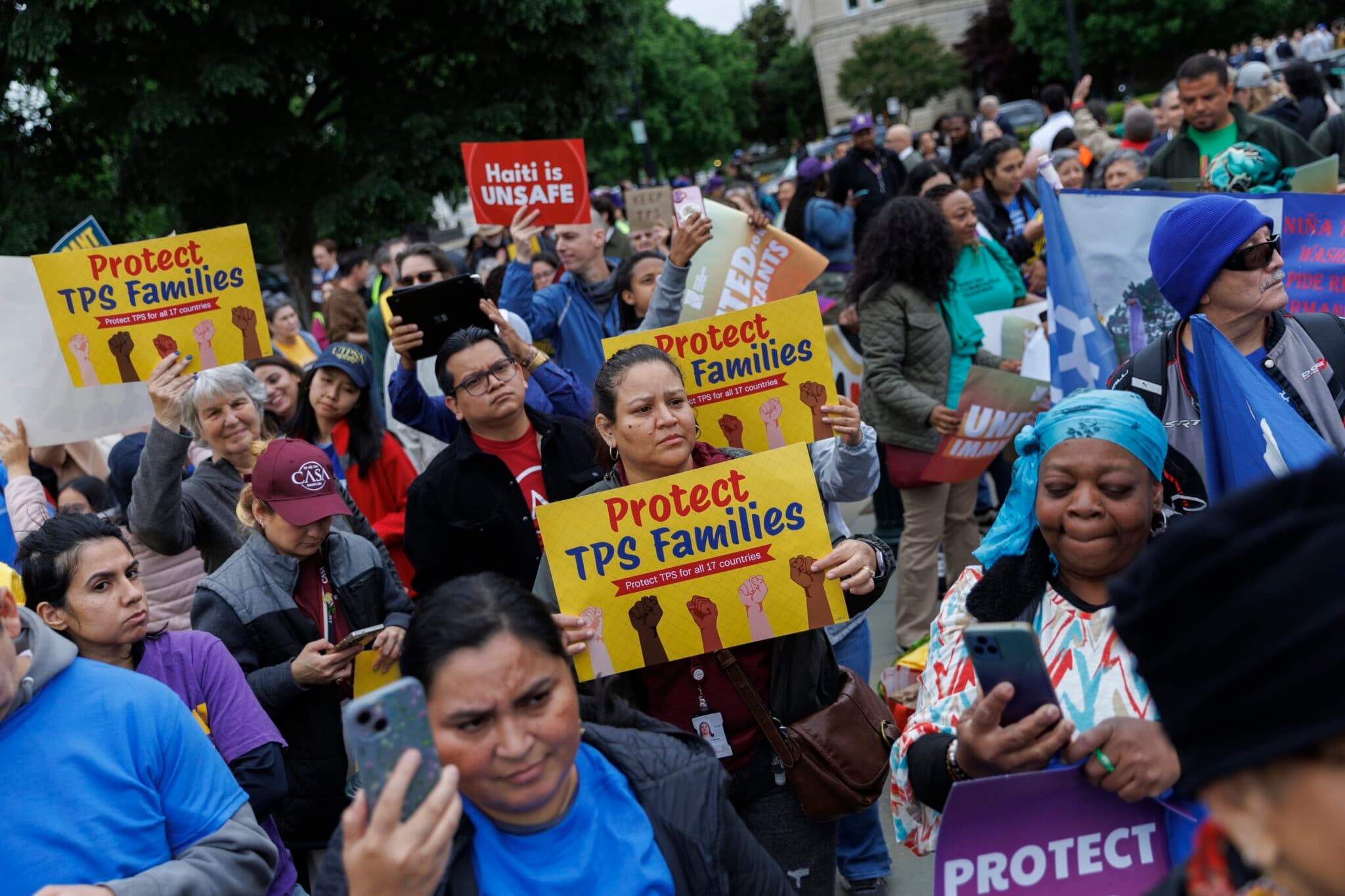
Photo via Georgia Recorder
The U.S. Supreme Court signaled Wednesday that it may uphold the Trump administration's decision to terminate Temporary Protected Status (TPS) designations for approximately 350,000 Haitian nationals and 6,000 Syrian nationals, according to the Georgia Recorder. This ruling could have significant implications for employers across multiple industries, particularly in regions with substantial immigrant workforces.
TPS is a federal program that grants work authorization and legal residency to foreign nationals from countries experiencing armed conflict, environmental disasters, or other extraordinary conditions. The policy has been a critical tool for workforce stability in industries ranging from manufacturing to hospitality. A Supreme Court decision upholding termination of these protections would mark a substantial shift in immigration policy with ripple effects throughout the labor market.
The anticipated ruling could also influence the outcomes of several related lawsuits challenging TPS decisions that are currently pending in lower courts. This means the Supreme Court's decision may extend far beyond the specific Haitian and Syrian populations, potentially affecting legal protections for nationals from other countries currently designated under the program.
For Dalton-area business leaders, understanding the potential impact on workforce availability and labor costs is critical. Companies employing workers with TPS status should monitor developments closely and consult with legal and human resources professionals to prepare for possible workforce transitions. The decision underscores the importance of immigration policy in business planning and hiring strategies.