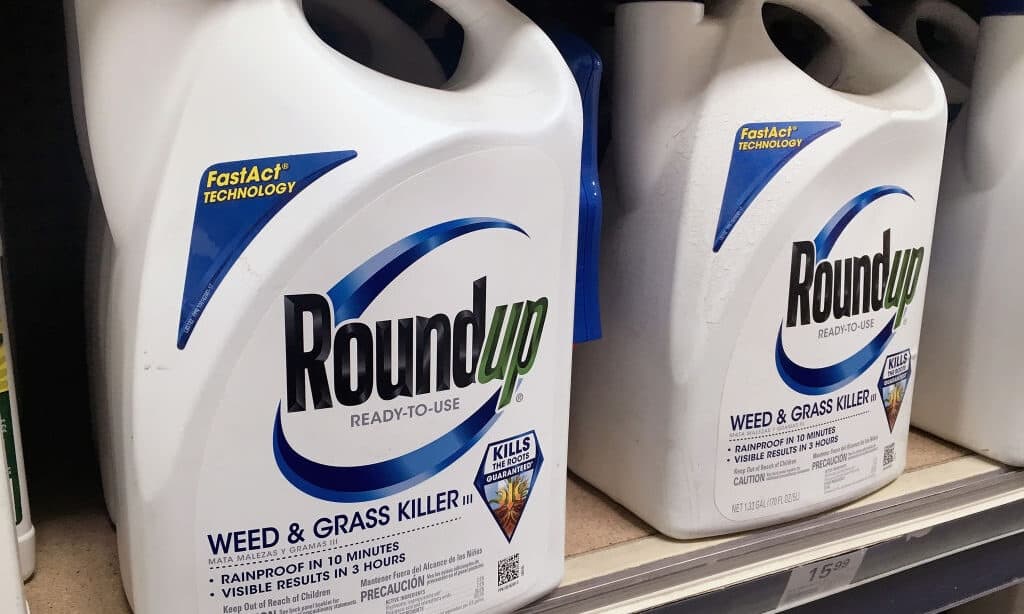
Photo via Georgia Recorder
The U.S. Supreme Court heard oral arguments Monday in a closely watched case that could have broad implications for product manufacturers nationwide. According to the Georgia Recorder, the case centers on whether state courts can enforce their own labeling requirements for Roundup, a widely used herbicide. At issue is a Missouri verdict that sided with a plaintiff claiming the product lacked adequate cancer risk warnings.
The court's decision hinges on a fundamental question about regulatory authority: Can individual states mandate warning labels that differ from federal standards, or does federal approval preempt state-level requirements? Industry observers suggest the justices appeared inclined toward limiting state-level enforcement power, which could significantly impact how companies approach product warnings across multiple jurisdictions.
For Georgia-based manufacturers and agricultural suppliers, this ruling carries practical weight. Companies operating across state lines face potential compliance challenges when states impose varying labeling standards. A Supreme Court decision favoring federal preemption could simplify manufacturing and distribution processes, while a ruling supporting state authority might require companies to maintain multiple versions of product labels.
The outcome could reshape litigation risk for manufacturers in the chemicals, agriculture, and consumer products sectors. Businesses in Dalton's industrial community should monitor this decision closely, as it may influence how companies manage product liability exposure and regulatory compliance strategies going forward. A ruling is expected in the coming months.