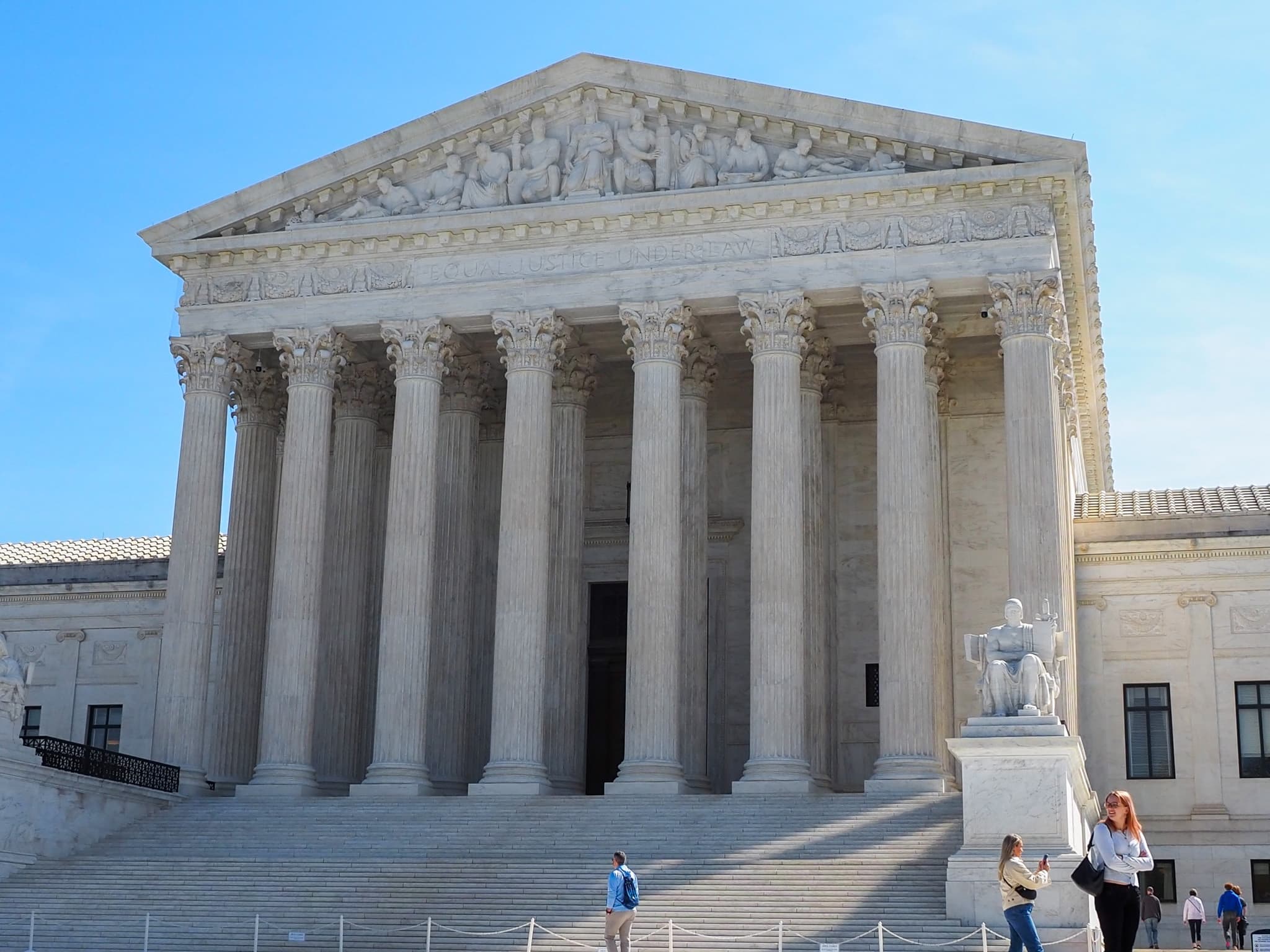
Photo via Georgia Recorder
The U.S. Supreme Court is examining the boundaries of law enforcement's authority to access cellphone location data during criminal investigations, according to Georgia Recorder coverage of recent oral arguments. The case centers on whether police should be required to meet stricter privacy standards when requesting historical location information from wireless carriers—a practice that has become routine in modern investigations.
The justices appeared divided on finding an appropriate balance between public safety needs and individual privacy rights. According to the reporting, several justices seemed inclined to permit warrant-based access to cell location data while grappling with what additional protections might be necessary. The court's ultimate ruling could establish new standards for how telecommunications companies and law enforcement interact when investigating crimes.
For businesses in the Dalton area, particularly those in technology, logistics, and telecommunications sectors, this decision carries practical importance. Companies that handle customer location data or work with law enforcement will need to understand their legal obligations and may require updated privacy policies depending on the court's final determination.
The Supreme Court's decision is expected to provide clarity on a significant gap in digital privacy law. Businesses and residents should monitor the ruling's outcome, as it will likely influence how Georgia courts and local law enforcement agencies balance investigative needs with constitutional privacy protections moving forward.