Photo via Memeorandum
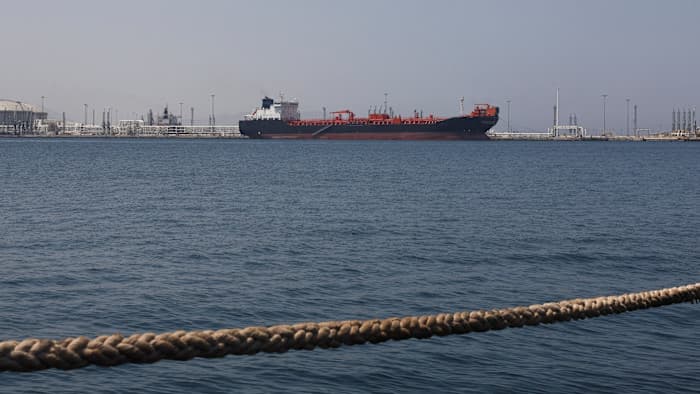
The Trump administration's ambitious effort to stabilize global shipping through the Strait of Hormuz has stumbled out of the gate. According to the Financial Times, the $40 billion insurance facility designed to protect vessels transiting one of the world's most critical waterways has recorded zero business uptake since its announcement two months ago. The shortfall underscores the challenges facing government intervention in private sector logistics operations.
The core issue hampering the program's success is the absence of guaranteed naval escorts through the strategic chokepoint. Shipping companies weighing the insurance option appear unconvinced that coverage alone provides adequate protection without accompanying military presence. This disconnect between the program's design and market expectations has left the initiative languishing without participants.
For Dalton-area manufacturers and logistics firms dependent on global supply chains, such initiatives carry real implications. Disruptions in Hormuz transit directly affect shipping costs and delivery timelines for goods moving between Asia and North American markets. The failure of this insurance scheme may signal that private industry requires more substantive guarantees—whether military, financial, or diplomatic—before committing to high-risk routes.
The initiative's struggles suggest broader questions about how government programs address legitimate business concerns. Shippers need confidence that their vessels and cargo will arrive safely, not just financial compensation if they don't. As this program seeks to course-correct, logistics stakeholders nationwide will be watching whether policymakers can bridge the gap between insurance offerings and the operational security that supply chains demand.