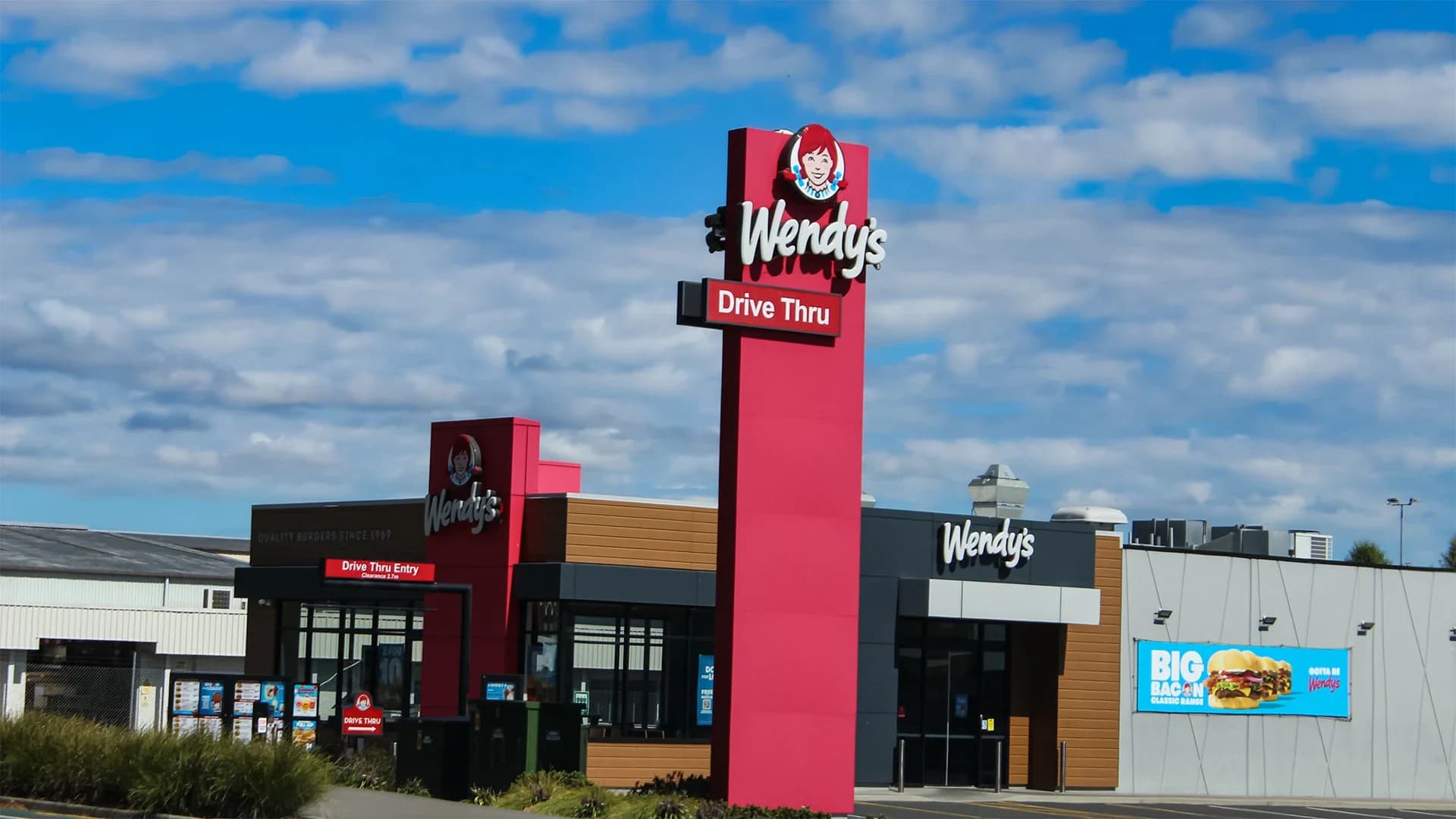
Photo via Inc.
Wendy's reported a net loss of 174 U.S. restaurants during its first-quarter earnings announcement, according to Inc., marking a significant contraction in the chain's domestic footprint. The closures are part of a larger strategic repositioning as the company reassesses its portfolio of underperforming locations across the country.
For Dalton-area business observers, the closure trend underscores ongoing pressures in the quick-service restaurant industry, where rising labor costs, supply chain challenges, and changing consumer preferences continue to reshape competitive dynamics. Local franchise operators and restaurant groups should monitor how national chains adjust their operational models in response to margin compression and shifting market conditions.
Meanwhile, Wendy's is pursuing aggressive international expansion, planning to open 1,000 new locations in China over the next decade. This divergence in strategy—contraction at home coupled with substantial overseas investment—reflects where major QSR chains see stronger growth potential and higher returns on capital.
The mixed signals from Wendy's performance may provide valuable context for regional restaurant operators, real estate developers, and commercial landlords evaluating the health of the quick-service sector. Understanding these macro trends can inform decisions about franchise opportunities, property investments, and market positioning in the competitive food service landscape.