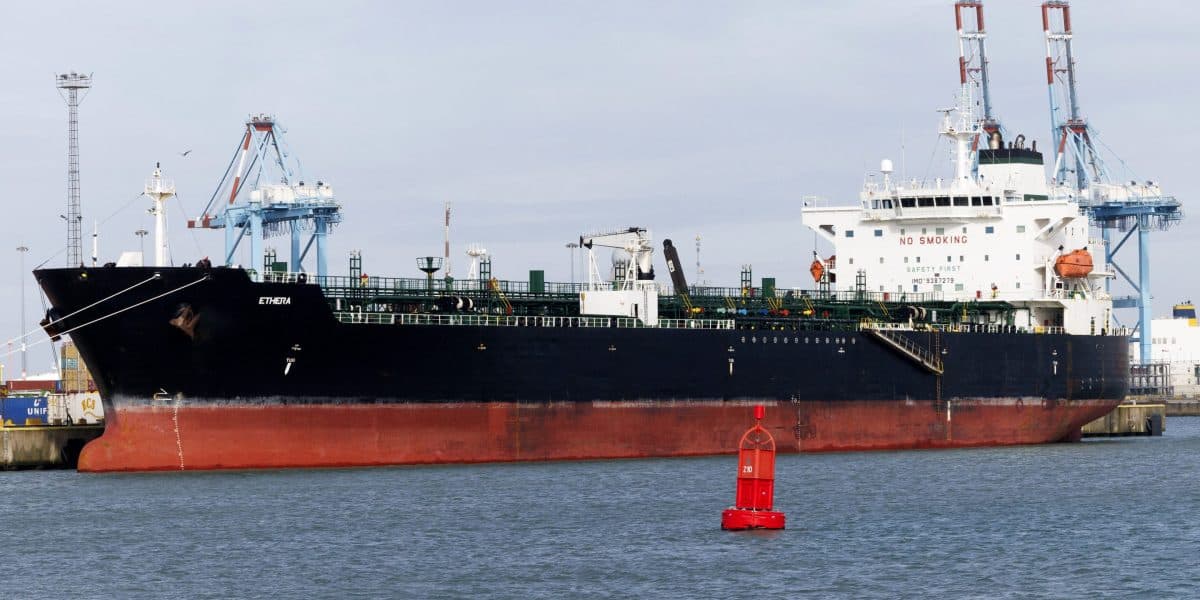
Photo via Fortune
Tensions between the U.S. and Iran over reopening the Strait of Hormuz—a critical global oil passage—continue to create uncertainty in energy markets. According to Fortune, negotiations between the two nations remain stalled, leaving crude supplies tighter than many in the industry would prefer. This diplomatic impasse has broader implications for American businesses dependent on stable energy pricing.
The physical crude markets have recently strengthened, signaling the underlying pressure of limited supply flowing through global channels. For Dalton's manufacturing and logistics sectors—industries heavily reliant on predictable fuel costs—this tightness translates into potential increases in operational expenses. Companies managing transportation fleets or running energy-intensive production facilities should monitor these developments closely.
The Strait of Hormuz remains one of the world's most strategically important chokepoints for petroleum distribution, with millions of barrels passing through daily. When diplomatic channels falter, the market responds with upward pressure on prices and reduced availability. Regional businesses that depend on consistent energy supplies for competitive pricing may face margin pressures in coming quarters.
For Dalton-area business leaders, the takeaway is clear: energy cost volatility remains a persistent risk factor. Companies should review their fuel hedging strategies and supply chain resilience plans now, rather than waiting for prices to spike further. Staying informed about geopolitical developments affecting global oil supplies is increasingly essential for financial forecasting.