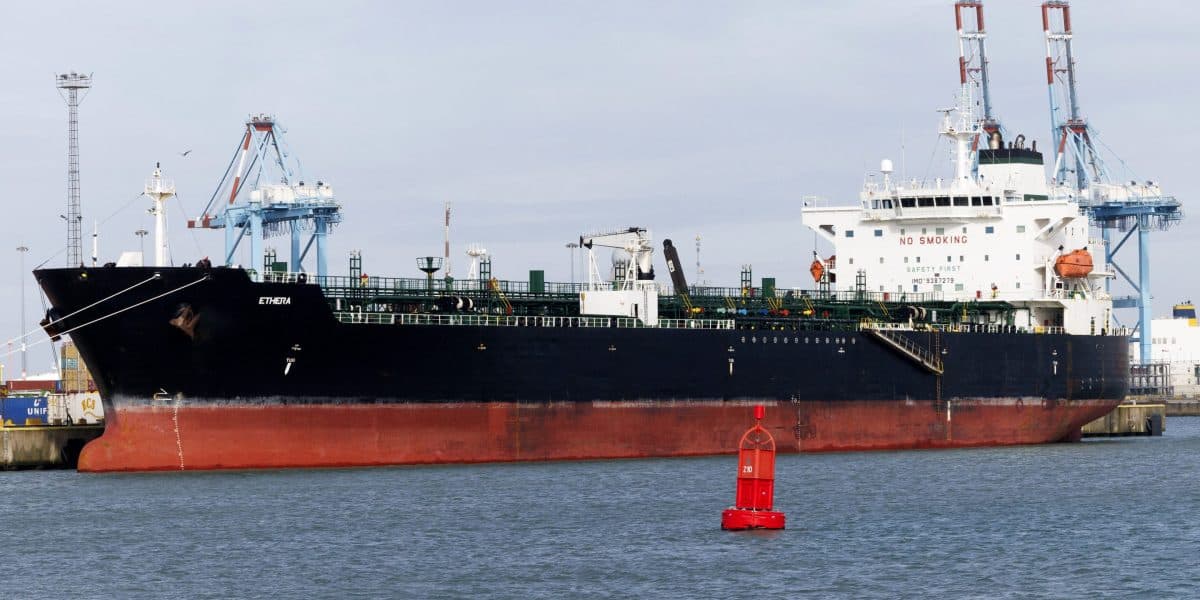
Photo via Fortune
The U.S. has allowed a temporary waiver on Russian oil sanctions to lapse, effectively closing a brief window during which certain petroleum purchases from Russia were permitted under federal restrictions. According to Fortune, this policy shift marks a return to stricter enforcement of energy-sector sanctions imposed following Russia's invasion of Ukraine.
For Dalton-area businesses reliant on stable energy costs—particularly manufacturers in the flooring, automotive, and textile sectors—the tightening oil market could have downstream implications. Logistics companies managing fuel expenses and supply chain costs may face renewed pressure as global crude supplies become more constrained without Russian barrels entering the market.
The expiration of the waiver reflects the administration's prioritization of geopolitical strategy over near-term market relief. While energy markets remain tight, policymakers determined that maintaining pressure on Russian economic activity outweighs the benefit of lower oil prices for American consumers and businesses.
Local business leaders should monitor how this policy affects transportation costs, heating expenses, and raw material pricing in the coming months. Regional companies with international supply chains may want to review energy hedging strategies and fuel surcharge arrangements with vendors to prepare for potential price volatility.