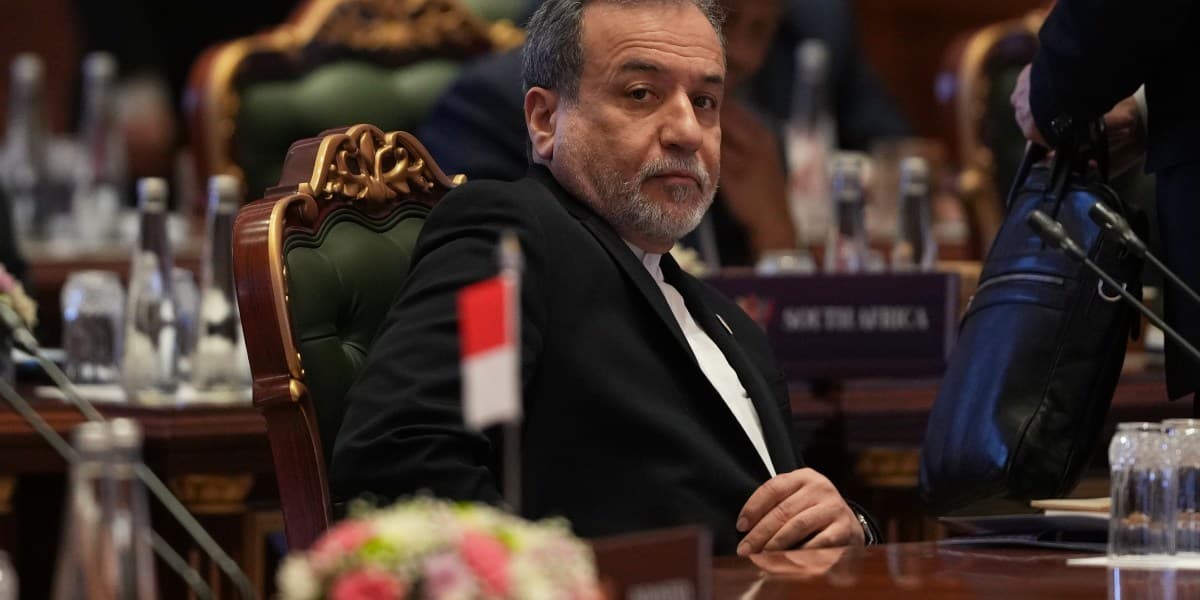
Photo via Fortune
Geopolitical uncertainty in the Middle East continues to reverberate through global markets, with potential implications for American businesses dependent on stable energy costs and international trade. According to Fortune, Iranian Foreign Minister Abbas Araghchi has expressed skepticism about U.S. negotiating intentions, citing conflicting signals from American officials that have created doubt about the seriousness of diplomatic efforts.
For Dalton-area businesses—particularly those in carpet manufacturing, logistics, and industrial production—fluctuations in energy prices and supply chain stability can directly impact operating costs and profitability. When geopolitical tensions rise, oil markets often experience volatility, which can cascade through transportation and production expenses for regional manufacturers.
The breakdown in clear communication between nations typically leads to market hesitation and increased risk premiums across various sectors. Companies relying on predictable fuel costs or international shipping may face higher expenses as markets price in uncertainty, affecting everything from raw material sourcing to finished goods delivery.
Business leaders in Dalton should monitor ongoing diplomatic developments as barometers for potential market shifts. Maintaining flexible supply chain strategies and energy cost hedging may become increasingly important as geopolitical tensions persist, particularly for export-oriented manufacturers who depend on stable international conditions.