Photo via Fast Company
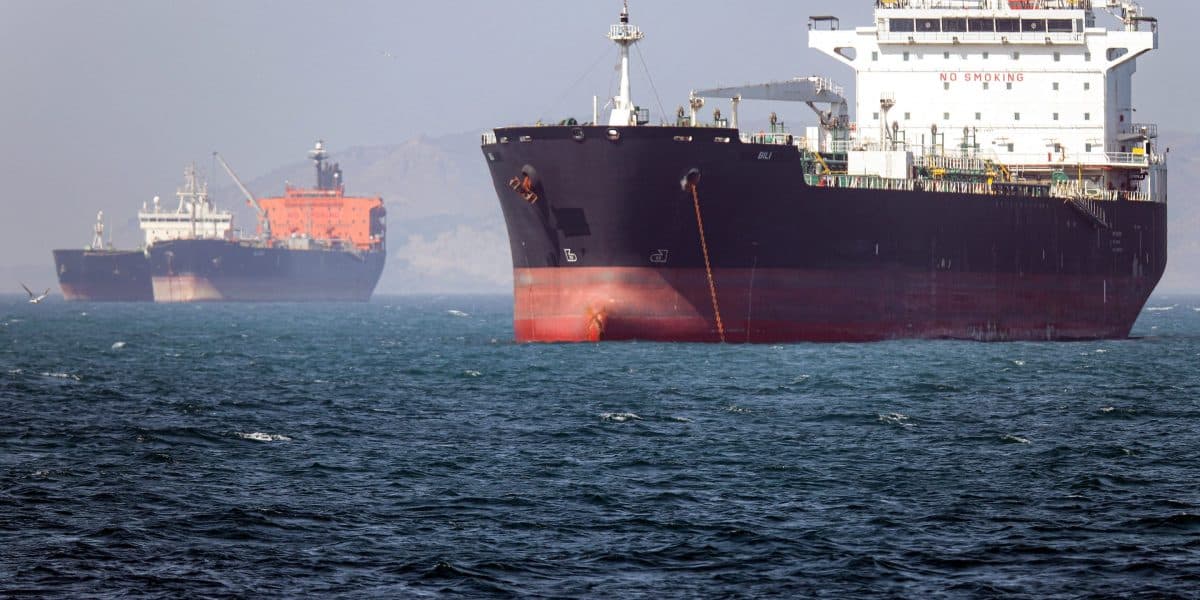
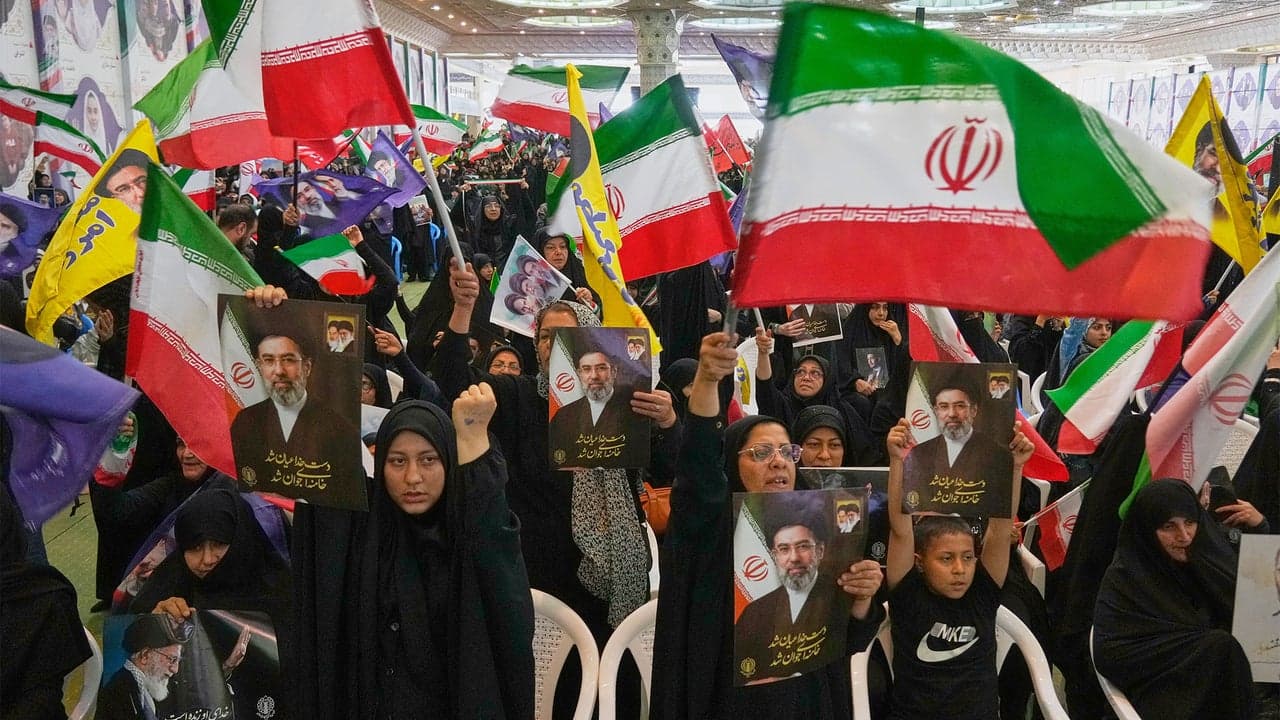
President Trump announced over the weekend that a deal between the United States and Iran has been 'largely negotiated,' according to reporting from the Associated Press. The emerging agreement would end the ongoing conflict and restore shipping through the Strait of Hormuz, a critical chokepoint for global energy markets. For Dalton-area businesses dependent on stable energy costs and reliable supply chains, a resolution could provide welcome relief from the uncertainty that has plagued operations for the past 12 weeks.
The proposed accord would gradually reopen the Strait of Hormuz in tandem with the U.S. lifting its port blockade on Iran, beginning the process of sanctions relief over a 60-day period. According to the officials briefed on negotiations, Iran would be permitted to sell oil through sanctions waivers, with broader financial relief tied to the nation's willingness to abandon its enriched uranium stockpile. For regional manufacturers and logistics firms, restored shipping access and stabilized energy supplies could significantly reduce operational costs and improve production schedules.
A critical component of the deal requires Iran to surrender approximately 441 kilograms of highly enriched uranium, with disposal to be finalized during the 60-day negotiation window. The AP reports that some uranium would be diluted while the remainder would likely be transferred to Russia, contingent on Iran meeting nonproliferation commitments. This nuclear concession forms the backbone of sanctions relief negotiations and addresses the security concerns that originally triggered military action.
Despite progress on several fronts, key issues remain unresolved, including Iran's missile program and uranium enrichment capabilities moving forward. The timeline for full implementation and final terms remain unclear, meaning Georgia businesses should monitor developments closely before adjusting supply chain strategies or energy procurement plans. Regional stakeholders will be watching whether this framework holds or encounters additional obstacles in coming weeks.